

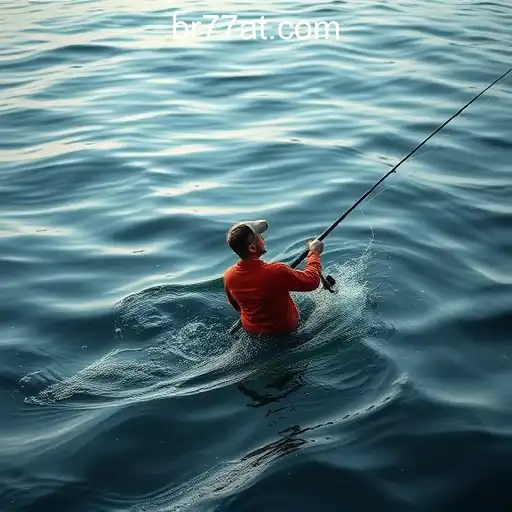
Exploring the World of Fishing
Fishing is not just a hobby; it is a tradition, a way of life embraced by millions around the world. The practice of fishing has evolved from a survival necessity to a profound recreational activity, adored by enthusiasts of all ages. In this exploration of fishing, we delve deeply into the diverse facets of this age-old practice, examining its historical context, contemporary significance, and the intriguing intersections with digital culture such as 77AT.com Oficial Slots Brasil #1.
The Historical Roots of Fishing
The history of fishing dates back to the upper Paleolithic period, approximately 40,000 years ago. Ancient civilizations such as the Egyptians and Chinese recognized the significance of fishing, as depicted in ancient art and texts. Archaeological findings have unearthed fishing tools from various regions, illustrating the spreading and evolution of fishing techniques over millennia.
Fishing methods evolved from simple handheld nets and lines fashioned from natural fibers to more advanced techniques using rods, reels, and intricate baiting strategies. This progression highlights humanity's ingenuity and adaptability in mastering aquatic environments.
Fishing Techniques and Tools
Different types of fishing are practiced worldwide, each tailored to specific environments and species. Angling, for example, involves the use of a rod, reel, and line with a hooked bait. This practice is often divided into subcategories such as fly fishing, bait fishing, and trolling.
Trapping and netting methods, such as the use of gillnets or trammel nets, have been employed for centuries to capture larger quantities of fish, particularly in commercial fishing. Spearfishing, another time-honored method, requires skill and precision, often practiced while freediving to hunt fish using a spear or spear gun.
The advent of technology has significantly enhanced traditional techniques. Sonar equipment, GPS, and advanced data analysis provide fishermen with unprecedented tools to locate and capture fish efficiently.
Recreational Fishing
Recreational fishing is a beloved pastime for millions, offering both relaxation and the thrill of the hunt. In many cultures, it serves as a social activity, with families and friends gathering at lakes, rivers, or oceans to share in the experience.
Sport fishing, a subset of recreational fishing, emphasizes the competition to catch specific types of fish, often under strict guidelines about size and release conditions. Tournaments and events cater to sport fishing enthusiasts, highlighting the competitive spirit and community aspects of the sport.
Furthermore, fly fishing has garnered a devoted following, appreciated for its artistic and meditative qualities. Understanding the ecology of the aquatic environment, the behavior of fish, and mastering casting techniques are integral to the satisfaction derived from fly fishing.
The Role of Fishing in Sustainability and Conservation
With global fish stocks under pressure from overfishing and environmental changes, sustainability has become a focal point in the fishing industry. Regulatory measures and sustainable practices are implemented to ensure the health of aquatic ecosystems and maintain biodiversity.
Catch and release initiatives, size limits, and seasonal restrictions help protect vulnerable populations and habitats. Organizations and researchers work continuously to monitor fish populations, advocate for responsible fishing practices, and educate the public about conservation efforts.
Fishing and Digital Culture
The digital age has catalyzed a new dimension of fishing culture. Online communities, forums, and platforms like 77AT.com Oficial Slots Brasil #1 have emerged, allowing fishing enthusiasts to share tips, experiences, and updates. These communities foster a sense of camaraderie and collective learning, transcending geographical boundaries.
Virtual fishing games and simulators offer digital natives an immersive experience of fishing without leaving home. These platforms cater to a wide audience, from novices to seasoned anglers, providing realistic weather simulations, fish AI behavior, and varied fishing locales. This gamification of fishing opens up the activity to those who may not easily access physical fishing environments.
Moreover, live streaming and social media platforms have propelled fishing into the entertainment sphere. Passionate anglers broadcast their fishing trips, engage with fans, and even host educational content, fostering an interactive and engaging digital ecosystem.
The Cultural Significance of Fishing
Fishing transcends its practical roots, becoming a cultural symbol in many societies. For some indigenous cultures, fishing is deeply intertwined with spiritual beliefs and rituals, signifying respect for nature and ancestral heritage.
Food security and economic stability are also inextricably linked to fishing. Millions around the globe rely on fish as a primary food source and income, highlighting the fundamental role this practice plays in societal sustenance.
In conclusion, fishing is an intricate tapestry of tradition, recreation, and technology. As we continue to explore and adapt this practice to modern challenges, it remains an integral part of our global culture, bridging past and present, nature and technology.